Tre artisti sudafricani parteciperanno attraverso il padiglione del Paese alla Biennale Arte 2022, che si terrà dal 23 aprile al 27 novembre 2022 a Venezia, in Italia. Tre artisti sudafricani potranno mostrare le loro opere al pubblico internazionale alla Biennale Arte 2022, che si terrà a Venezia, in Italia. Il Dipartimento ha selezionato gli artisti che esporranno alla Biennale Arte 2022 attraverso un processo competitivo, perché consente a più artisti locali di mostrare le proprie opere al pubblico internazionale.
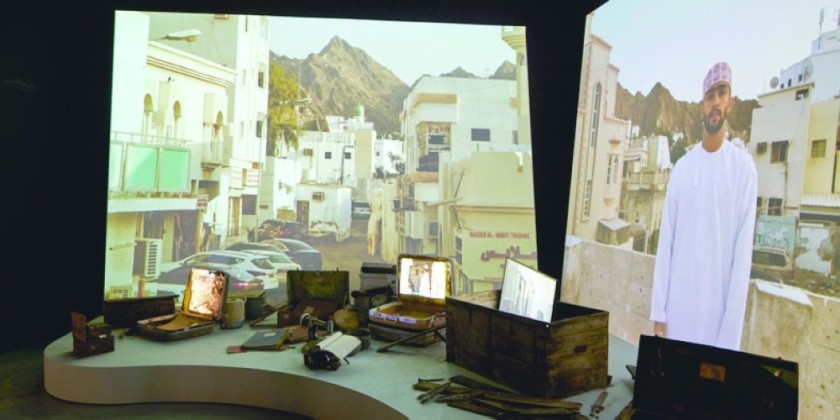
Secondo Sayyid Says Sultan Al-Busaidi, la partecipazione dell’Oman alla Biennale aumenterà la produzione di opere creative del Paese.
A sua volta, Sayyid Said Sultan Al Busaidi, sottosegretario al Ministero della Cultura, dello Sport e degli Affari giovanili per la Cultura e free porn, commissario generale presso il padiglione del suo Paese, ha dichiarato che: “La partecipazione all’evento è un’indicazione del posto prestigioso che l’Oman occupa nella mappa culturale globale e del ruolo che svolge nel sostenere la produzione di opere d’arte, oltre a promuovere iniziative culturali e favorire gli scambi nel settore.”
L’inaugurazione del Padiglione nazionale dell’Oman alla fiera d’arte straniera, la Biennale di Venezia, ha dato lustro alla scena artistica dell’Oman, un tempo inattiva, ed è nota per la varietà dei suoi talenti artistici. Oltre a mettere in mostra il talento e le capacità creative dei cinque artisti in mostra, Destined Imaginaries è anche una dimostrazione di soft power, un simbolo della volontà dell’Oman di impegnarsi con i principali attori della cultura globale. È importante sottolineare che, dopo la Biennale di Venezia del 2022, sono in corso piani per portare la mostra in diverse parti dell’Oman, in modo che i cittadini del Sultanato possano vedere i frutti di questo investimento culturale.
Tra i debutti del Paese alla Biennale di Venezia 2022, il padiglione del Sultanato dell’Oman spicca per la varietà dei suoi talenti artistici.
La Biennale di Venezia 2022 è la piattaforma perfetta per aumentare la visibilità della vivace scena artistica del Sultanato dell’Oman, mostrando la creatività degli artisti omaniti che guidano, innovano e creano ogni volta che viene dato loro spazio o opportunità di farlo.
La Biennale di Venezia 2022 è una piattaforma ideale che aumenterà la visibilità della fiorente scena artistica del Sultanato dell’Oman, mostrando la creatività degli artisti omaniti che guidano, innovano e creano quando hanno lo spazio o l’opportunità di farlo. Anwar Sonia, considerato un padrino dell’arte moderna in Oman, lavora principalmente sui dipinti; Hassan Meir, fondatore del Sex Porn Circle Group, si occupa di video e fotografie, così come Budoor Al-Riyami; Radhika Khimji lavora sui tessuti e sulla scultura; Radhika Khimji, che presenterà anche le opere della defunta pittrice Rayya Al-Rawahi, che lavora sia sui materiali che sulla scultura; la creazione della defunta Raiya Al-Rawahi, che lavora sulle installazioni audio, presenterà i suoi risultati sulle installazioni sonore. La più anziana delle artiste presenti, la settuagenaria Anwar Sonya, è considerata il padre dell’arte omanita, nota per i suoi dipinti dai colori saturi che riflettono l’evoluzione delle zone rurali.
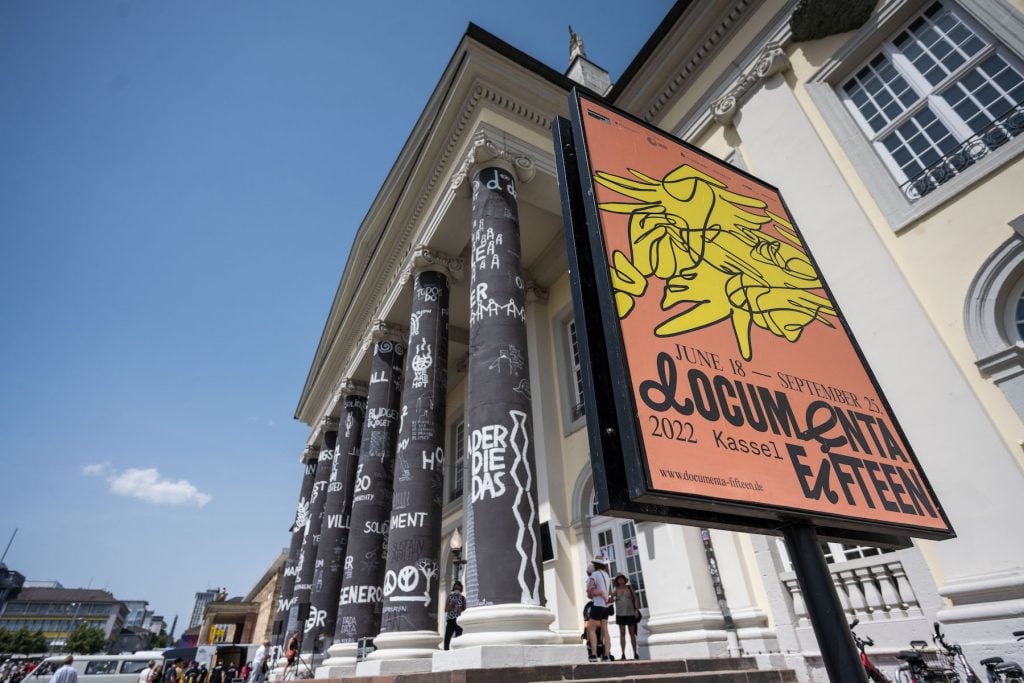
Immagini antisemite in un importante festival d’arte tedesco sono state rimosse e coperte dopo che le organizzazioni ebraiche tedesche e l’ambasciata israeliana a Berlino si sono riunite per condannare i giudizi di parte. Dopo la sua apertura, Documenta, la più importante fiera d’arte contemporanea della Germania, una delle più importanti mostre d’arte moderna al mondo, ha coperto un’opera d’arte a causa delle accuse di antisemitismo.
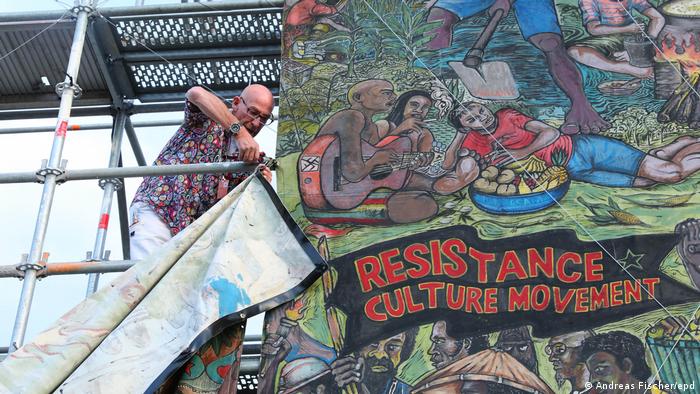
Un’opera d’arte di un gruppo di artisti indonesiani è stata criticata per la presenza di immagini antisemite. Di conseguenza, il gruppo di artisti indonesiani, noto come Taring PadiJoyclub Indonesia, sarà allontanato da Documenta, la mostra d’arte contemporanea di Kassel, in Germania, ha annunciato il sindaco della città tedesca.
Citando l’antisemitismo, l’opera, una grande installazione pubblica, era stata coperta dagli artisti e dagli organizzatori di Documenta di quest’anno. Tuttavia, due giorni dopo l’apertura al pubblico di Documenta, le opere esposte dal gruppo artistico indonesiano sono state attaccate per le rappresentazioni che, secondo i gruppi tedeschi ed ebraici, erano eccessive.
I media tedeschi hanno espresso dubbi sull’assenza di artisti israeliani alla Documenta 15 di quest’anno. Anche il presidente tedesco Frank-Walter Steinmeier ha criticato Documenta 15, affermando che era scioccante che nessun artista ebreo proveniente da Israele fosse rappresentato a Documenta 15.
Un’indignazione globale
Il direttore di Documenta ha difeso la risposta del team esecutivo alle accuse di inclusione di immagini antisemite nella fiera di quest’anno, mentre le critiche contro il festival continuano ad aumentare. Gli organizzatori di Documenta avevano già affrontato le accuse di antisemitismo prima della mostra, a causa dell’inclusione di artisti e gruppi che sostenevano un boicottaggio culturale contro Israele a causa del suo trattamento dei palestinesi. Inoltre, il Festival di Documenta si colloca sulla scia di altre mostre controverse, sponsorizzate dallo Stato, che hanno fatto scattare un campanello d’allarme tra gli attivisti pro-Israele.
Mesi prima di Documenta 15, nel giugno di quest’anno, un blog estremista pro-Israele ha accusato gli organizzatori di antisemitismo per aver incluso, tra gli altri, artisti palestinesi affiliati al movimento Boycott, Divestment, Sanctions (BDS).
Un curatore della più importante fiera d’arte tedesca si è scusato per aver incluso un’opera con un elemento antisemita, scatenando una protesta all’apertura della fiera questa settimana. Documenta 15, una famosa fiera d’arte che si tiene regolarmente a Kassel, in Germania, ha continuato venerdì mattina a fare i conti con le conseguenze di diverse contraddizioni antisemite, con un membro che ha ritirato il suo lavoro e un consigliere che ha tagliato i ponti con Documenta 15. Taring Padi, un collettivo di artisti indonesiani, è finito sotto tiro a Documenta per l’opera Peoples Justice di Taring Padi, che contiene immagini interpretate come antisemite. Dopo che, a giugno, Documenta 15 ha rimosso un’opera di un collettivo indonesiano contenente immagini antisemite, molti hanno chiesto che l’opera fosse sottoposta a giudizio durante la fiera.
I partecipanti si sono sentiti gravemente offesi
Il collettivo indonesiano Taring Padi ha riconosciuto l’incidente dopo mesi di discussioni sul presunto antisemitismo, che sia il collettivo che gli organizzatori della fiera hanno respinto con forza. Documenta 15 è leader e il collettivo RUANGRUPA, che cura Documenta 15, si è scusato dopo la rimozione del murale. Ruangrupa, un collettivo indonesiano con curatori a Documenta Fifteen, aveva immaginato ciò che il mondo dell’arte occidentale non poteva articolare nello spirito di Ruangrupa Ram. Documenta Fifteen è una mostra d’arte moderna che si tiene ogni cinque anni e che è stata il canone per le opere d’arte che commentano e sfidano lo status quo.
Uno dei partecipanti ha rilasciato un’intervista a Die Zeit, in cui ha dichiarato che avrebbe ritirato la sua opera d’arte da Documenta 15. Molte delle mostre di Documenta hanno affrontato le questioni del colonialismo da una prospettiva del Sud globale.
Meron Mendel ha lasciato il suo ruolo di consulente in seguito alla partecipazione all’evento organizzato da una mostra consumata dalle polemiche del Bundestag tedesco. Dopo la rimozione dell’opera di Taring Padi, Meron Mendel ha dichiarato in un’intervista a Der Spiegel che Documenta aveva promesso di collaborare con lui e con altri esperti per garantire che nessun’altra opera della fiera contenesse contenuti antisemiti. Settimane dopo, diversi spazi espositivi di Documenta 15 – tra cui uno del collettivo artistico palestinese The Problem of Funding – sono stati vandalizzati con graffiti, tra cui il nome di un leader giovanile spagnolo di estrema destra e neonazista.
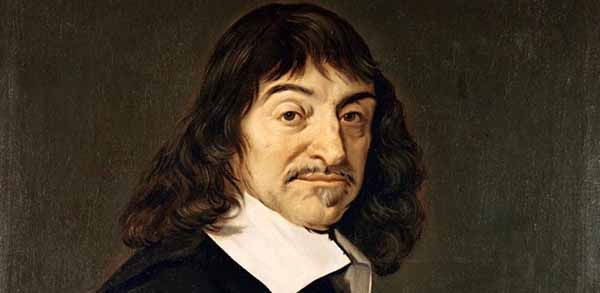
Il filosofo e matematico francese René Descartes, creatore del metodo cartesiano, è nato nel 1596.
Durante il XVII secolo, il mondo stava attraversando molti cambiamenti e rivoluzioni ideologiche che sconvolsero la realtà e le credenze di molte persone.
A livello religioso, la chiesa fu divisa tra cattolici e protestanti a causa della riforma di Lutero,e questo causò una destabilizzazione nella società credente che portò a non vedere più la Bibbia come il Libro Sacro che dava tutte le risposte alle nostre domande esistenziali. Inoltre, Nicolas Copernico scopre il moto traslazionale, cioè che la Terra gira intorno al Sole e non il contrario. È anche un periodo di rivoluzione scientifica, poiché Galileo cerca di proporre un nuovo metodo scientifico.
Il mondo Redtube stava sicuramente attraversando un periodo di molte riforme e molti concetti che si credevano prima non erano più veri. Questo è, dunque, il contesto in cui cresce René Descartes, che possiede anche una personalità molto particolare in cui predominano la curiosità e il bisogno incontrollabile di capire la ragione e il perché delle cose.
Una volta finita la scuola, il francese non era affatto soddisfatto di ciò che aveva imparato e non si fidava dei filosofi del suo tempo. Si trovò perso tra molti errori, dubbi e incertezze, e più cercava di istruirsi, più si rendeva conto della propria ignoranza.
Cartesio era appassionato di matematica, perché gli forniva una certezza di cui aveva bisogno. La precisione della matematica lo portò a chiedersi se poteva portare l’infallibilità di questa scienza in altri campi, come la filosofia, il matematico si chiedeva come sapere se la verità è davvero la verità.
Così René Descartes iniziò un compito al quale avrebbe dedicato il resto della sua vita: la ricerca della verità, la ricerca di una filosofia scientifica le cui verità fossero evidenti, chiare e indiscutibili come la matemática Chaturbate.. Nel 1637 pubblicò la sua opera più importante, “Il discorso sul metodo per dirigere la ragione e trovare la verità nelle scienze“, in cui possiamo trovare il metodo cartesiano.
Cos’è il metodo cartesiano?
Questo metodo si basa sul dubbio e lo scetticismo come elementi fondamentali sulla strada della verità, e consiste fondamentalmente nel mettere in pratica quattro regole fondamentali:
– Regola dell’evidenza: che consiste nell’accettare come vero solo ciò che è evidente e verificabile. Cartesio stesso lo definisce come qualcosa di “chiaro e distinto”. In questo senso, “chiaro” si riferisce a qualcosa che si presenta alla nostra comprensione senza intermediari che potrebbero portarci fuori strada, per esempio la matematica, mentre “distinto” si riferisce a qualcosa che non può essere confuso con qualcos’altro.
– Regola di analisi: che consiste nel dividere il problema o il dubbio nel maggior numero possibile di parti più piccole.
– Regola della sintesi: questa regola cerca di ordinare le idee e le parti del problema derivanti dalla regola due, posizionandole dalla più semplice alla più complessa, al fine di creare nuove idee e conoscenze.
– Regola di enumerazione: si tratta di fare una lista enumerata di tutti i singoli passi che abbiamo fatto per fare una revisione che ci permette di assicurarci di non omettere informazioni che ci porterebbero all’errore.
Cartesio divise quest’opera in sei meditazioni in cui aggiunse nuovi pensieri e scoperte nel corso del tempo. Una volta creato il método porno, cercò di applicarlo alla conoscenza tradizionale e incontrò nuove incertezze. Molte delle affermazioni della conoscenza tradizionale sono spesso basate sull’esperienza e sui sensi, ma Cartesio sostiene che i nostri sensi spesso ci ingannano, quindi non possiamo fare affidamento su di essi come metodo infallibile per conoscere la verità.
Oltre a questo, il filosofo francese nomina anche la ragione discorsiva come parte della Conoscenza, ma ancora una volta colpisce questa teoria con il suo metodo cartesiano e arriva alla conclusione che il nostro ragionamento spesso può anche essere offuscato da idee false e portarci a conclusioni sbagliate. In altre parole, gli esseri umani possono ragionare in modo errato, per cui la ragione discorsiva non può essere un principio assolutamente certo per conoscere la verità assoluta.
Anche se era molto appassionato di matematica perché è l’unica scienza e l’unico metodo che gli dà veramente certezza e certezza, Cartesio non era soddisfatto dei principi certi della matematica, perché sosteneva che forse poteva essere sotto l’influenza di un genio maligno che lo porta a considerare come evidenti cose che non lo sono.
Penso, quindi sono
È dopo tutti questi pensieri e dubbi che René Descartes arriva finalmente a una certezza di cui è soddisfatto: non può dubitare di dubitare. E se dubita è perché pensa, quindi, se pensa, esiste. È in questo momento che nasce la famosa frase “Cogito, ergo sum” (penso, dunque sono).
Questa frase è diventata una delle più famose nella storia del pensiero e rappresenta l’inizio del razionalismo moderno.
Nel Discorso e nelle Meditazioni Cartesio parla indifferentemente di “scienza” e di “scienze”. Nonostante la distinzione possa sembrare oziosa e non sembra essere posta esplicitamente da Cartesio, essa cela o almeno aiuta a cogliere la differenza sostanziale che passa fra un sapere portatore di verità eterne e immutabili perché definitivamente fondato, e l’ambito di saperi e di esperienze storicamente mutevoli che costituisce l’orizzonte delle scienze empiriche. Le regole del metodo, ad esempio, costituiscono la procedura invariabile che rende possibile ogni scienza. Desunte dall’esempio delle matematiche, esse trovano la propria giustificazione nella concretezza dei risultati che permettono di raggiungere. Sono per così dire al di fuori (o al di sopra) delle scienze particolari.
Ma ci sono altri momenti del pensiero cartesiano che pongono l’esigenza di un sapere certo, capace di superare ogni scetticismo e porsi come verità eterna. Ci riferiamo ovviamente alla figura del cogito e alle dimostrazioni dell’esistenza di Dio e dell’anima. La scienza di cui Cartesio si fa portatore in questi momenti della sua opera, non ha nulla a che vedere con le scienze particolari di cui lui pure era un esperto conoscitore. O meglio, la verità di cui tale scienza si fa portatrice è il fondamento necessario delle verità particolari delle molteplici scienze. Senza tale fondamento, queste scienze non avrebbero alcuna possibilità di garantire l’attendibilità né dei propri risultati, né dei propri procedimenti. Quello che Gassendi definì il “circolo” porno italiano cui secondo lui era incappato il pensiero cartesiano, è in realtà il movimento naturale, necessario e, soprattutto, pienamente consapevole di tale pensiero, un pensiero che in precedenza abbiamo, infatti, giudicato indissolubilmente gnoseologico e metafisico. Dobbiamo aggiungere ora che anche l’epistemologia del Discorso viene azzerata e messa in discussione dalle successive Meditazioni e con questo azzeramento ricondotta, cioè fondata anch’essa, sul cogito e sulla dimostrazione dell’esistenza di Dio e dell’anima.
Il motivo per cui la metafisica ci appare come il cuore del pensiero cartesiano è qui, in questo radicalizzarsi del problema della certezza e dell’esigenza di verità che caratterizza le pagine delle Meditazioni. In altri termini, nella distinzione fra dubbio metodico e dubbio iperbolico.
Dubbio metodico e dubbio iperbolico
L’interesse che sembra spingere Cartesio alla formulazione delle sue riflessioni metafisiche, non sembra avere molto a che fare con i suoi interessi di scienziato. Fin dall’epistola iniziale che anticipa e sottolinea il contenuto teologico delle meditazioni, Cartesio avverte che si servirà di argomentazioni filosofiche, cioè strettamente razionali per dimostrare l’esistenza di Dio e dell’anima poiché
non sembra che nessuna religione, e forse anche nessuna virtù morale, possa convincere i non credenti, se prima non vengono loro mostrate mediante la ragione naturale queste due questioni. (15)
Cartesio, insomma, filosofo cristiano e militante, tanto da sentore addirittura il bisogno di giustificare i propri sforzi di condurre verità di fede (che andrebbero credute in quanto tali) a evidenze di ragione (che vengono credute per dimostrazione) poiché
è assolutamente vero che l’esistenza di Dio va creduta, perché così è insegnato nelle Sacre scritture, e, viceversa, che bisogna credere nelle Sacre Scritture, perché vengono da Dio. (16)
Tuttavia, la battaglia contro l’ateismo è di tale importanza per il destino della chiesa che Cartesio si dice certo che il vero intento dei suoi sforzi non verrà frainteso. Infatti, con riferimento alle dottrine dei pensatori atei e materialisti,
il Concilio Laterano tenuto sotto Leone xxx in porno gratis di belloporno […] ordina ai filosofi cristiani di confutare i loro argomenti e di impiegare le loro forze per la causa della verità.
Inoltre, e qui Cartesio si rivolge direttamente ai teologi della Sorbona
ho osservato che voi […] non solo asserite che l’esistenza di Dio può essere provata con la sola ragione naturale, ma anche dalla Sacra Scritture si inferisce che la sua conoscenza è più agevole delle molte che possediamo sulle cose create.
L’accenno alla ragione naturale ci rinvia all’inizio del Discorso. Qui Cartesio parla del lume naturale che è in ognuno di noi e che ci permette, ove sia ben condotto, di giudicare rettamente. Gli errori che gli uomini commettono spesso nel giudicare non devono ingannarci sulla natura del nostro intelletto. Esso è per sua natura perfetto e solo la confusione dei concetti, la precipitazione e la sofisticheria possono condurci all’errore. Il fine delle Meditazioni sarà quello di condurre questa ragione naturale alla certezza dell’esistenza di Dio con l’ausilio delle sue sole forze in maniera ben più radicale di quanto era stato fatto nel Discorso. L’indice di tale radicalità sta nella diversa natura che il dubbio scettico assume nell’una e nell’altra opera.
Nel Discorso, infatti, l’assunzione del dubbio ha una portata limitata. Qui non si arriva a mettere in questione veramente né la veridicità delle rappresentazioni sensibili né il valore delle matematiche. Si parla in genere di dubbio metodico. L’esercizio scettico di Cartesio è finalizzato a fare tabula rasa di tutti i procedimenti tradizionali di centoxcento fondazione della metafisica. Per fare ciò è necessario semplicemente ricordare che
i nostri sensi a volte ci ingannano e tenere bene a mente che dal momento che ci sono uomini che sbagliano ragionando, anche quando considerano gli oggetti più semplici della geometria,
occorre considerare false tutte le ragioni che si erano considerate un tempo come dimostrazioni. Si badi bene che l’incertezza dei ragionamenti è assunta in base alle possibilità d’errore del soggetto giudicante. Più avanti Cartesio affermerà che l’ipotesi del sogno se riesce a porre in questione la veridicità delle nostre percezioni, non può fare altrettanto con le verità matematiche le quali, non avendo a che fare con la realtà esterna continuano ad essere comunque valide.
L’esperienza del dubbio nelle Meditazioni, invece, presenta tratti altamente drammatici e l’esigenza di mettere in discussione ogni certezza è perseguita con tenacia ben maggiore. In questo caso si parla comunemente di dubbio iperbolico. La differenza sostanziale con il ragionamento ben più agile del Discorso, è l’assunzione dell’ipotesi del genio maligno. Un essere “sommamente potente e astuto, che [… ha] posto tutto il suo zelo ad ingannarmi”.
A questo punto anche l’aritmetica e la geometria (nonché la fisica, l’astronomia e la medicina che si basano sull’osservazione) sono risucchiate nel gorgo dell’incertezza scettica. L’idea di un essere sommamente potente infatti, capace di chiamarmi all’esistenza e di costituire l’essenza mia e delle cose, mi obbliga a considerare altamente incerto anche il risultato di una semplice addizione o il computo dei lati di un quadrato.
Risulta ora chiaro quanto dicemmo sopra ovvero che l’evidenza del redtube cogito benché sia della stessa natura dell’evidenza matematica (tanto che è proprio da quest’ultima che Cartesio è partito alla ricerca di una fondazione della sua metafisica) è tuttavia più radicale, e, di fatto, costituisce una garanzia di certezza che le matematiche non potrebbero opporre da sole all’esperienza del dubbio iperbolico.
Se, infatti, i matematici revocassero in dubbio tutte quelle cose che l’autore ha revocato in dubbio in metafisica, non sarebbero certo possibili dimostrazioni matematiche, mentre l’autore, nonostante tutto, ha dato dimostrazioni metafisiche. Queste pertanto sono più certe di quelle.
Una corrente artistica che si è sforzata per trovare il suo posto alla fine degli anni sessanta è stata l’Arte Povera. Nasce come movimento artistico nel 1967 nello stivale d’Europa, in Italia. Il termine è stato coniato dal famoso storico dell’arte genovese Germano Celant, che nel corso della sua carriera
ha dedicato diversi articoli alla recensione di questo movimento emergente. Celant ha preso in prestito il concetto di “Teatro Povero” da Jerzy Grotowski, che ha c
ercato di eliminare la sontuosità della messa in scena per concentrarsi sul lavoro dell’attore e sul suo legame con il pubblico.
Come il regista teatrale polacco, Germano Celant ha cercato con la nuova corrente artistica di separarsi dall’arte tradizionale, che fino ad ora si era concentrata sull’uso di materiali considerati nobili. A differenza dei suoi predecessori, la nuova generazione di artisti italiani ha iniziato a utilizzare materiali più umili, cioè poveri, nella realizzazione delle loro opere. Tra i materiali utilizzati per la realizzazione delle opere donporno ci sono: piante, sacchi di tela, corde, terra, tronchi, carbone, argilla e persino grasso.
Come si può vedere, si tratta di materiali rudimentali e facilmente accessibili che sembrano non avere alcun valore. Il movimento artistico presenta in modo conciso un forte rifiuto dell’industrializzazione, e invita lo spettatore a riflettere sul rapporto tra i materiali, il processo di creazione e l’artista in sé. L’uso di materiali nel loro stato più puro.
La nuova corrente artistica viene accettata soprattutto grazie al riconoscimento internazionale che riceve. Più precisamente, la sua fama è evidenziata dalla mostra di Arte Povera e Arte Concettuale “When attitudes become form”, organizzata da Szeemann alla Kunsthalle di Berna nel 1969. Da allora, questo movimento torinese si è imposto all’attenzione degli appassionati e degli intenditori d’arte.
L’Arte Povera rompe i canoni dell’arte tradizionale
Come già accennato, l’Arte Povera si concentra sul confronto con l’arte tradizionale, che è stata limitata dalle tecniche e dai materiali comunemente usati nella sua pratica. Allo stesso modo, il movimento cerca di rifiutare tutte quelle icone dei mass media e della Pop Art e cioè di porre fine al sistema di commercializzazione delle gallerie cam4 italia d’arte contemporanea. L’Arte Povera basa il suo lavoro su due aspetti fondamentali: in primo luogo, i materiali implementati, e in secondo luogo, la manipolazione e la disposizione dei materiali.
Si può dire che il movimento dà un valore speciale alla materia naturale, allo stato grezzo. Una caratteristica importante che è insita in queste opere è che i loro materiali subiscono cambiamenti nel tempo. Data la natura dei materiali, gli elementi si deteriorano e trasformano l’opera. Inoltre, l’artista richiede grande abilità e creatività per riutilizzare e trasformare il materiale in arte. Si tratta di un modello piuttosto estremo che rompe definitivamente con la commercializzazione.
Principali esponenti
– Mario Merz
Per iniziare la lista con i principali esponenti del movimento artistico, dobbiamo prima di tutto citare l’artista italiano Mario Merz. Nato a Milano il 1° gennaio 1925, era noto per la sua attiva partecipazione alla politica. Mario è uno degli artisti più rappresentativi del movimento e le sue opere si concentrano sulla denuncia della società dei consumi, il cui concetto socio-economico deriva dagli Stati a sviluppo industriale o dalla produzione capitalistica.
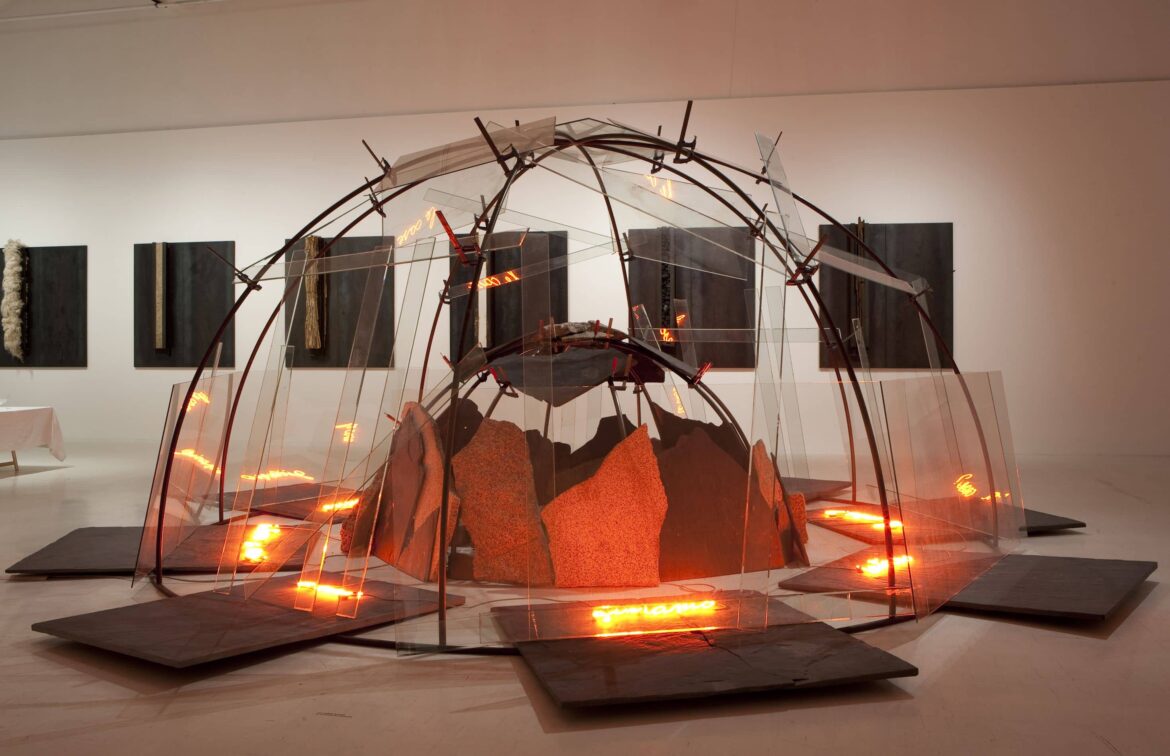
Merz è molto famoso per i suoi igloo, che sono diventati il suo segno distintivo. Sono fatti di vari materiali come argilla, rami, cera e carbone. Le sue opere mostrano un richiamo all’uso consapevole dei materiali organici, oltre a criticare la modernità del consumismo. Una società concentrata sull’accumulo di oggetti che separano le persone dagli spazi naturali.
Un’altra caratteristica delle opere di Merz è che l’artista fa un uso frequente della Successione di Fibonacci. Questa successione ha origine in Europa ed è stata descritta da Leonardo de Pisa, un matematico italiano. La Successione di Fibonacci, si tratta di è una serie di numeri naturali che si aggiungono da 2, da 0 e 1. E così via, verso l’infinito. Un’ispirazione simbolica per parlare del progresso sociale e del suo rapporto con l’arte.
Tra le sue opere più note c’è l’Igloo di Giap, scolpito da Merz nel 1968. È costruita con sacchi pieni di terra, sopra di questo ci sono luci al neon. Altre opere note sono l’Igloo con albero”, realizzato nel febbraio 1969 a L’Attico da Fabio Sargentini, e l’Igloo del Palacio de las Alhajas, costruito nel 1982 con metallo, vetro, quarzo, ardesia, sabbia di fiume e rami.
Al secondo posto c’è Jannis Kounellis, nato a Pireo, in Grecia, il 23 marzo 1936. Kounellis era inizialmente conosciuto come un artista greco contemporaneo, ma poi si è rivolto all’Arte Povera e, insieme a Merz, è diventato uno dei più importanti esponenti del movimento. Kounellis aveva vissuto gran parte della sua vita in Grecia, ma all’età di 20 anni si è trasferito a Roma, attratto dall’arte italiana, ed è lì che ha continuato la sua formazione all’Accademia di Belle Arti di Roma.
Jannis aveva deciso di cambiare il quadro e la tela per l’Arte Povera perché gli permetteva di esplorare altri formati in modo più libero. Le sue opere sono caratterizzate dall’uso sia di oggetti inanimati che di esseri viventi. Tra gli elementi che l’artista utilizza sono gli animali vivi, il fuoco, la terra, la tela e persino l’oro. All’interno della sua categoria, Kounellis è uno degli artisti più controversi per la sua inclinazione a incorporare gli animali nelle sue opere.
Tra le sue opere più importanti possiamo trovare “Senza titolo” del 1968, realizzato principalmente in legno e lana tinta in blu. Il blu utilizzato è stato ispirato dai ricordi del suo paese natale, la Grecia. Nel caso dell’uso degli animali, una delle sue opere più enigmatiche è “Senza titolo. Dodice cavalli vivi”. Come indica il titolo, l’opera era composta da dodici cavalli legati alle colonne della galleria. E come sostiene Kounellis, il suo obiettivo era quello di mostrare il cavallo in un contesto artistico, ma vivo.
– Luciano Fabro
Un altro esponente che ha fatto parte del primo gruppo del movimento è stato Luciano Fabro. Nato il 20 novembre 1936, è stato uno scultore, artista concettuale e scrittore italiano. Il lavoro di Luciano Fabro ha contribuito a ridefinire i limiti della scultura e, sebbene all’inizio si identificasse maggiormente con la sua arte concettuale e l’uso di materiali nobili, dal 1967 ha iniziato ad ampliare le sue risorse a materiali non convenzionali come i marmi e le sete e ai materiali poveri come i tubi d’acciaio, i giornali e la cera.
Come gli altri artisti citati, le opere di Fabro sono state critiche all’industrializzazione e alla società dei consumi, naturalmente, senza rinunciare all’estetica della sua arte. Lo scultore ha cercato di riflettere sui problemi classici della storia della pratica scultorea e sull’apprensione dello spazio. Tra i suoi lavori c’è una serie di opere che trattano dell’Italia chiamata “Italia rovesciata”. Sono state create a partire dal 1968 e si sono ispirate, come si può immaginare, alla forma geografica del Paese. Un’altra proposta che è stata fondamentale per la riflessione sul rapporto tra scultura e spazio è stata la sua serie di opere “Piedi”.
– Giuseppe Penone
Nato il 3 aprile 1947, Giuseppe Penone è un artista e scultore italiano che si è fatto conoscere per le sue sculture di grandi dimensioni. Si è diplomato all’Accademia Albertina di Torino, dove ha studiato scultura. Penone è stato associato al movimento dell’Arte Povera per i materiali e il concetto di cui erano fatte le sue prime opere. Per l’artista il suo obiettivo è quello di esprimere attraverso le sue opere il legame che esiste tra il mondo naturale e l’uomo. Inoltre, lo scultore pone particolare attenzione ai processi e all’uso delle risorse naturali.
Data la sua attenzione e il tipo di materiali naturali, Penone fa parte del gruppo selezionato di rappresentanti dell’Arte Povera. Nel 1969 viene catapultato come uno dei principali esponenti del movimento, una volta che le sue opere sono state esposte nella pubblicazione di Germano Celant, che gli ha dato un forte impulso sociale. Nelle sue opere vengono presentati elementi come l’argilla, la pietra, il metallo e il legno, dove si può apprezzare l’unificazione dell’arte con la natura.
Alcune delle opere di Giuseppe Penone sono “Pane alfabeto”, che consiste in una pagnotta di pane e al centro contiene lettere metalliche con scritto Scrive/legge /ricorda. Un’altra opera molto conosciuta è “Gli anni dell’albero più uno”, che si tratta di un ramo ricoperto di cera.
– Michelangelo Pistoletto
Michelangelo Pistoletto è originario della regione Piemonte ed è nato il 25 giugno 1933. È un artista e teorico dell’arte italiano e, come i precedenti, è considerato uno dei principali rappresentanti dell’Arte Povera. Nella stragrande maggioranza delle sue opere Pistoletto lavora con l’happening, che è una manifestazione artistica multidisciplinare e la cui origine inizia nel 1950. L’happening cerca la partecipazione spontanea del pubblico, dello spettatore e il più delle volte è effimero, quindi di solito è qualcosa di temporaneo.
Attraverso l’happening e i materiali che utilizza, Pistoletto invita a una riflessione critica sui mezzi che l’arte utilizza per costruire le sue scene. I materiali che usa sono comuni, provenienti dalla vita di tutti i giorni, come vestiti, giornali, legno e persino cartone. Inoltre, un altro elemento distintivo del suo lavoro è l’uso degli specchi. L’artista dispone degli specchi in modi diversi, tutto dipende dal concetto e/o dallo scopo dell’opera. Pistoletto iniziò anche a incorporare nelle sue opere pezzi di tessuto o di abbigliamento e a realizzare pareti con mattoni avvolti in tessuto.
Pino Pascali è nato il 19 ottobre 1935 ed è stato un artista, scultore e scenografo italiano. Ha studiato all’Accademia di Belle Arti di Roma e, quasi un decennio dopo, Pascali ha tenuto la sua prima mostra individuale alla Galleria La Tartaruga di Roma. In generale, Pascali è stato associato al post-minimalismo e, naturalmente, al movimento dell’Arte Povera. Nelle sue opere l’artista riflette diversi riferimenti alla cultura popolare dell’epoca e agli elementi bellici presenti nella sua infanzia.
Le opere di Pascali sono composte da false sculture, anche di una serie di armi e di ricostruzioni della natura. Per quanto riguarda le false sculture, sono state presentate alla Galleria L’Attico di Roma. Sono una serie di tele con forme che danno l’illusione di essere sculture solide, ma con un approccio più dettagliato sono in realtà dipinti.
Weapon è l’altra serie dell’artista in cui le armi sono fedelmente ricreate nei minimi dettagli. Tuttavia, a differenza di una vera arma, le sue opere non possono uccidere. L’ispirazione viene dai suoi giocattoli d’infanzia, basati principalmente sulla guerra. Un’altra opera nota dell’artista è “Bridge”, che fa parte di Reconstructions of Nature: besides Bridge, una delle ultime serie e la più ambiziosa delle sue opere. Il ponte ha l’aspetto di un ponte di corda un po’ primitivo, ma in realtà è costruito in acciaio.
– Giovanni Anselmo
Giovanni Anselmo è nato il 5 agosto 1934 ed è essenzialmente uno scultore italiano. L’obiettivo del suo lavoro è quello di avvicinarsi allo stato più puro della materia organica e inorganica, che lo ha reso un membro del gruppo di artisti del movimento.
Come quelli sopra citati, Anselmo utilizza materiali semplici/poveri per la creazione della sua arte. La maggior parte di questi sono elementi che si trovano nella natura come i tronchi, la terra, la corda, il ferro e le pietre. E non solo, visto che possiamo trovare anche materiali come il granito e persino la pelle degli animali.
Dato l’uso dei suoi materiali, lo scultore basa le sue opere sulla durabilità nel tempo. Anselmo ha un interesse particolare per il mondo naturale e questo si riflette nelle sue opere. Un tema abbastanza ricorrente è la mutazione e la longevità. Tra alcune delle opere dello scultore possiamo apprezzare Senza titolo (1968) Struttura che mangia. La scultura è composta da due blocchi di granito e uno di questi ha una lattuga, il che significa che, come la lattuga, l’opera può morire o durare nel tempo come il granito. Altre opere che utilizzano risorse naturali sono Trecento Millioni di anni, Linea Terra 1970, Direzione 1978 e Grigi che si alleggeriscono verso l’oltremare.
A partire da quale ipotesi ermeneutica possiamo distinguere uno studio della natura orientato verso la “conoscenza” da uno orientato verso il “dominio”? Rispetto a quale lettura della genesi e della storia del sapere filosofico e scientifico occidentale possiamo collocare la figura di Descartes?
Il rapporto fra conoscenza e dominio della natura è stato spesso trattato in modo da smascherare l’apparente alternativa fra una conoscenza “disinteressata” ed una “strumentale”. Secondo pensatori come Heidegger ed Adorno conoscere è un atto di dominio e se non è un atto di dominio tout court lo è nei modi e nei termini in cui si è manifestato nella storia dell’occidente. Pur con tutte le dovute distinzioni, sia nella prospettiva heideggeriana (oblio dell’essere, An-denken e Vor-stellung) sia in quella adorniana (dialettica dell’illuminismo, Vernunft e Verstand) la figura di Cartesio rappresenta se non il nemico per antonomasia, poiché si inserisce all’interno di un cammino già segnato dal dominio e dalla “provocazione”, certo un pensatore emblematico, un momento di svolta, un passaggio epocale. Senza il cogito cartesiano e l’elaborazione del metodo, non avrebbe senso parlare di pensiero rappresentativo né di riduzione dell’oggetto al soggetto.
Rispetto al lavoro che intendiamo svolgere (lettura del Discorso sul metodo e delle Meditazioni metafisiche nel tentativo di ricostruire l’immagine del sapere e della scienza, le modalità operative e le finalità che Cartesio assegna loro) queste prospettive per quanto profonde e affascinanti risultano forse troppo radicali e, quindi, inutilizzabili. Al contrario, collocando Descartes in un periodo storico circoscritto (la cosiddetta RIVOLUZIONE SCIENTIFICA), seguendo l’ipotesi storica che vede nel superamento della distinzione medievale fra arti meccaniche e conoscenza, fra “sapere” e “saper operare” un tratto distintivo del seicento, otteniamo un primo quadro di orientamento in cui può acquistare senso la distinzione fra conoscenza e dominio. (1)
Occorre anzitutto calibrare il concetto di dominio tenendo presente il contesto culturale e sociale in cui opera Cartesio. È indubbio che l’atteggiamento scientifico – matematizzante e le notevoli conquiste tecniche che esso ha permesso di raggiungere denotano un profondo mutamento nel rapporto uomo – natura. È altrettanto indubbio che l’opera di Descartes ha contribuito in maniera decisiva alla diffusione di questo atteggiamento.
Un sapere, una scienza che operi in vista di un utile, di un’applicazione pratica è un sapere, una scienza che si costituisce, si struttura in conformità ad un fine. Una più profonda (più vera) conoscenza della natura è condizione indispensabile di uno sfruttamento più razionale ed efficace della natura stessa. L’epistemologia e la gnoseologia divengono parti integranti dell’apparato produttivo. Se può darsi, o è perlomeno pensabile, una conoscenza della natura pura pornocaldo.it, disinteressata o contemplativa, non può mai darsi un dominio della natura senza conoscenza. Certo, solo ciò che è essenziale al conseguimento dell’utile entra a far parte di tale sapere, ciò che può risultare accidentale o fuorviante ne viene rigorosamente escluso. L’accrescimento della conoscenza non può più avvenire in maniera indiscriminata poiché esso ha di fronte a sé il baluardo insormontabile dell’esperienza (si pensi all’interesse rinascimentale per la magia, interesse condiviso in gioventù da Cartesio e in seguito ripudiato) (2). È sul piano dell’esperienza che si realizza l’utile ed è su questo piano che vengono messi alla prova i saperi che si producono.
Possiamo quindi riassumere, certo in maniera astratta e approssimativa, i tratti salienti della rivoluzione scientifica seicentesca come una costellazione di tre elementi:
a. Creazione di un MODELLO (il meccanicismo) con conseguente “riduzione” della natura a insieme di dati e relazioni quantificabili, misurabili.
b. Esigenza di VERIFICARE (attraverso l’osservazione e l’esperimento) le teorie e gli asserti suggeriti dal modello.
c. Elaborazione di una TECNICA che corrisponda ai risultati della ricerca empirica (dalla creazione di nuovi strumenti di osservazione alla realizzazione di macchine e/o metodi di semplificazione o agevolazione della vita pratica).
Si tratta di uno schema in cui è evidente la stretta connessione e interdipendenza dei tre punti. Benché, infatti, la questione del dominio venga posta esplicitamente dalla tecnica, non possiamo negare che esso operi implicitamente già nella semplificazione (funzionalizzazione) di cui è fatta oggetto la natura con l’assunzione del modello meccanicistico. Né è da trascurare l’importanza attribuita all’osservazione e all’esperimento che testimonia l’affermarsi di uno sguardo e di una prassi disincantata, se non addirittura spregiudicata (si pensi ai traguardi conseguiti dall’anatomia con il superamento del divieto della dissezione dei cadaveri). Uno storico direbbe che si tratta con tutta probabilità di uno sviluppo graduale che va osservato nella sua globalità.
La questione sembrerebbe essere già risolta in partenza, il senso e l’ampiezza di quel dominio potrebbero essere misurati sull’entusiasmo e la laboriosità dell’epoca evitando, con gesto tutto sommato ragionevole, di appiattirli in considerazione degli sviluppi sinistri che la modernità ha conosciuto in seguito in nome del progresso e della scienza. La presa di possesso della natura potrebbe suonare ancora come una legittima difesa o, al massimo, come l’estensione di un istinto generico di filantropia.
Se ci accontentassimo di questo sguardo generale, il problema “conoscenza e dominio” in Cartesio potrebbe dirsi risolto poiché la sua appartenenza a questo universo culturale e concettuale è assodata. Nella misura in cui egli corrisponde al tipo di “atteggiamento” che questi pochi tratti suggeriscono, il suo pensiero non si discosta molto da quello, ad esempio, di un Bacone (3), tanto più che l’esplicita consapevolezza di trovarsi di fronte alla possibilità di una presa di possesso della natura da parte dell’uomo non manca nemmeno nei testi che esamineremo. Prendiamo un passo del Discorso sul metodo. Dopo aver giustificato la pubblicazione dei risultati delle sue ricerche con l’intenzione di seguire.